Tuesday, May 11, 2010

The Pagani Zonda C12 Pictures

The Pagani Zonda C12 Pics

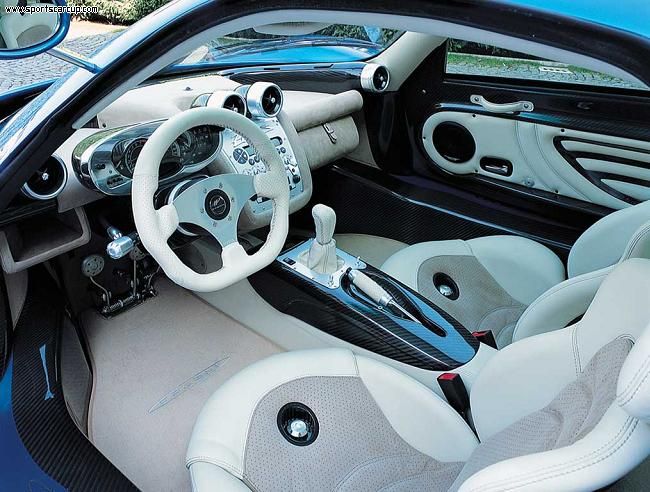
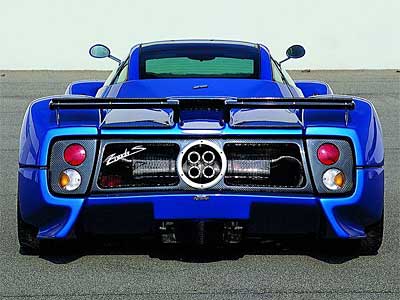
The Pagani Zonda is a mid-engined sports car produced by Pagani in Italy. It debuted in 1999 and continues through the present, with production proceeding at roughly 10 cars per year. As of June 2009, 106 Zondas had been built, considering also test mules. Both 2-seat coupe and convertible versions have been produced. Construction is mainly of carbon fiber.

Some of the early Zonda engineering was done by Formula One champion Juan Manuel Fangio. The car was originally to be named the "Fangio F1" after him, but following his death in 1995, it was renamed for an air current above Argentina.

Pagani Zonda
Pagani Zonda
Manufacturer Pagani
Production 1999–present
316 produced[citation needed]
Class Sports car
Layout Rear mid-engine, rear-wheel drive
The Pagani Zonda C12 Photo
This is a New pagani Picture
Pagani Zonda Pics
The Pagani Zonda C12 S Image
Zonda C12 S Wallpapers
Pagani Zonda Pics
Pagani Zonda C12
The most beautiful Pagani Zonda C12

Sunday, May 9, 2010

Lamborghini Miura Cars

Lamborghini Miura

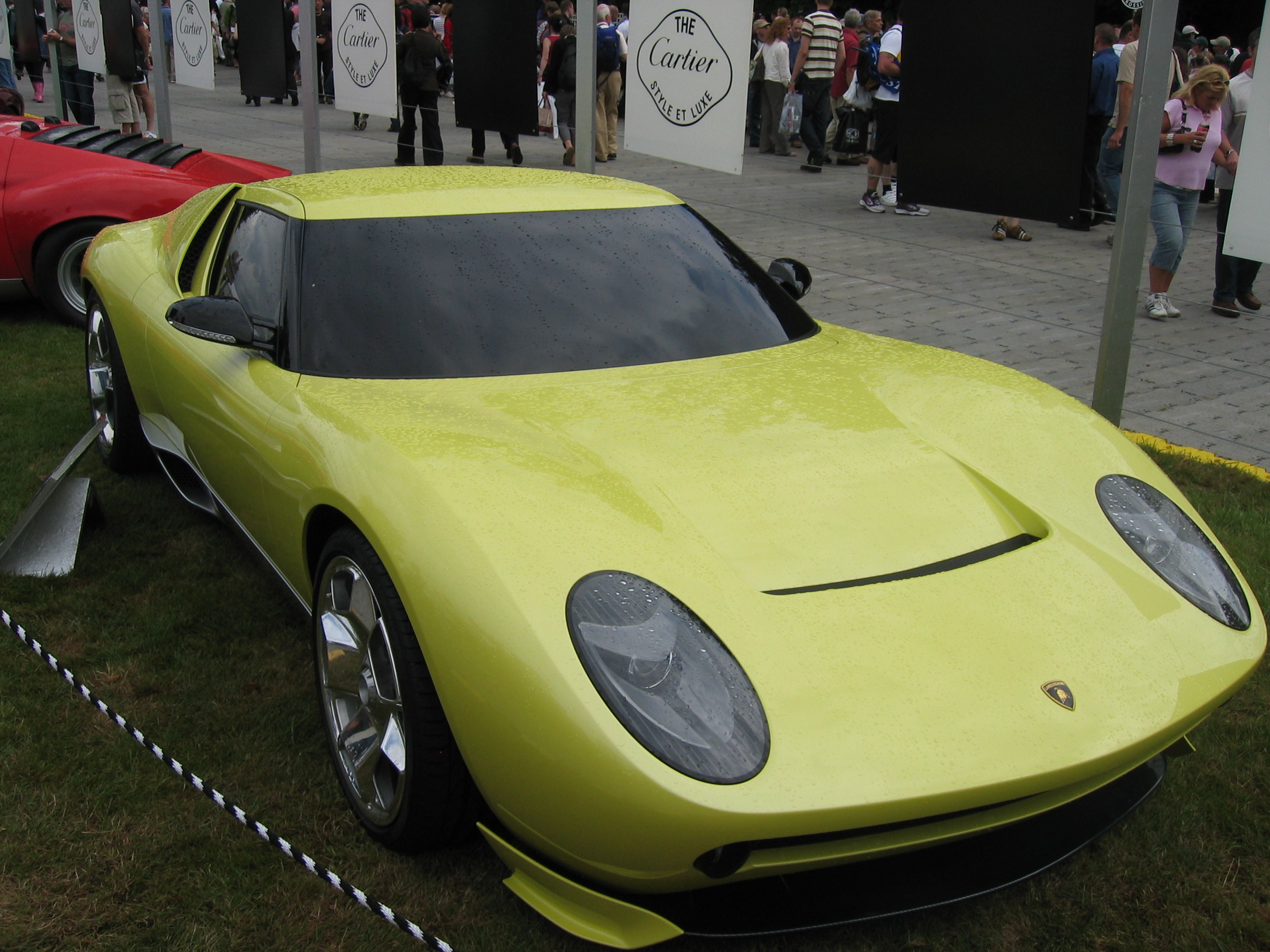
The Lamborghini Miura is a sports car produced by Italian automaker Lamborghini between 1966 and 1972. The car is widely considered to have begun the trend of high performance, two-seater, mid-engined sports cars.[2] While the mid-engined layout had been used successfully in competition in cars such as the Ford GT40 and Ferrari 250 LM at Le Mans, the Miura was the first viable road car sporting the layout.

The Miura was originally conceived by Lamborghini's engineering team, who designed the car in their spare time against the wishes of company founder Ferruccio Lamborghini, who showed a preference towards producing powerful yet sedate grand touring cars, rather than the racecar-derived machines produced by local rival Ferrari. When its rolling chassis was presented at the 1965 Turin auto show, and the prototype P400 debuted at the 1966 Geneva show, the car received a stellar reception from showgoers and motoring press alike, who were impressed by Marcelo Gandini's sleek styling as well as the car's revolutionary design. Lamborghini's halo car, the Miura received periodic updates and remained in production until 1972, and was not replaced in the automaker's lineup until the Countach entered production in 1974, amidst tumultuous financial times for the company.

Production history

Early Miuras, known as P400s (for Posteriore 4 litri), were powered by a version of the 3.9 L Lamborghini V12 engine used in the 400GT at the time, only mounted transversely and producing 350 PS (260 kW; 350 hp). About 275 P400s were produced between 1966 and 1969 - a success for Lamborghini despite its then-steep $20,000 USD price (approx. $114,000 in today's terms).

Taking a cue from the Mini, Lamborghini formed the engine and gearbox in one casting and they shared common lubrication until the last 96 SVs, which used a limited slip differential requiring appropriate oil.

It has been reported, but not confirmed, the first 125 Miuras were built of 0.9mm steel and are therefore a bit lighter than later cars. All cars had steel frames and doors with aluminum front and rear skinned body sections.

2006 Lamborghini Miura
Lamborghini Miura
2006 Lamborghini Miura
Lamborghini Miura Picture
Lamborghini Miura Photo
Lamborghini Miura

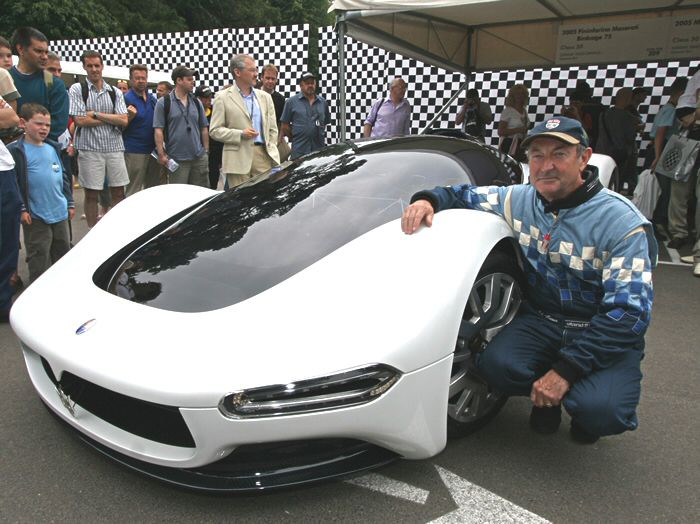
Maserati Birdcage

Maserati Birdcage
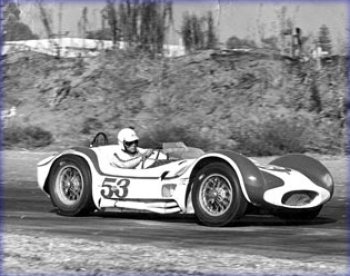
The Maserati Birdcage 75th was a concept car created by automobile manufacturer Maserati and designed by Pininfarina and the design team, including Jason Castriota under the guides of Ken Okuyama at Pininfarina.[1] It was first introduced at the 2005 Geneva Auto Show. It was named to honor the classic Maserati Birdcages of the 1960s and Pininfarina's 75th anniversary. The original car intent was discussed and pursue originally by Paolo Pininfarina, Pininfarina S.p.A, Franco Lodato and Peter Aloumanis, from Motorola during a business gathering in September 2004 at Pebble Beach, California
Maserati Birdcage
Maserati Birdcage
The Maserati Birdcage
Maserati Birdcage
Maserati Birdcage
Maserati Birdcage
Maserati Birdcage

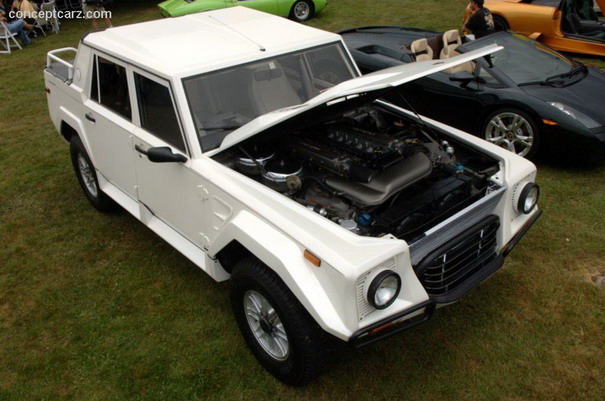
Lamborghini Lm002

Lamborghini Lm002
Lamborghini Lm002
Lamborghini Lm002
Lamborghini Lm002
Lamborghini Lm002
Lamborghini Lm002
Lamborghini Lm002
Lamborghini Lm002

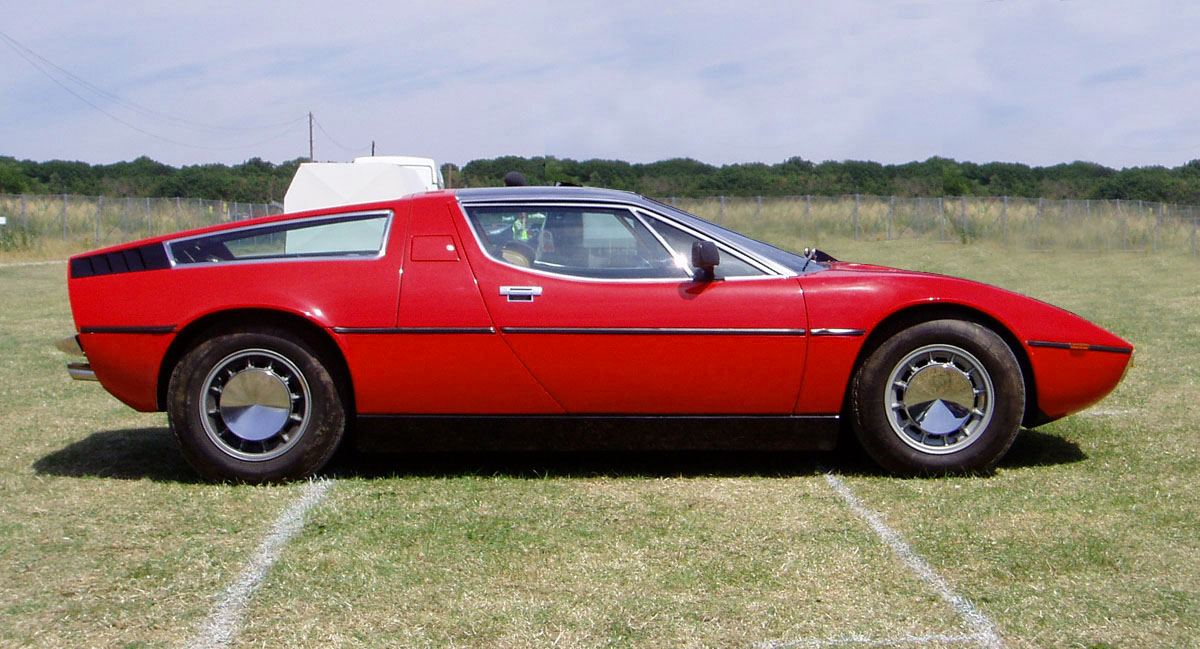
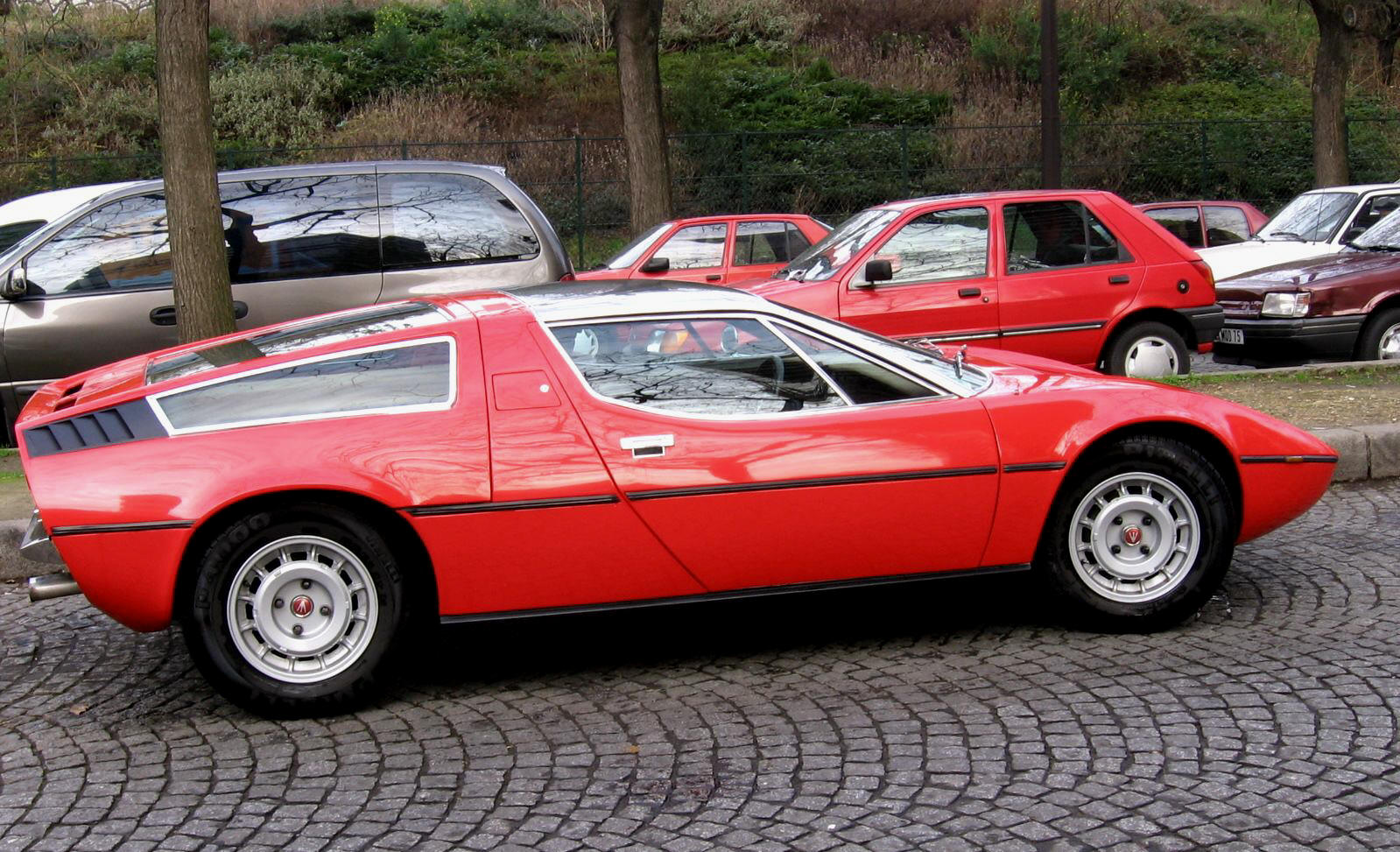
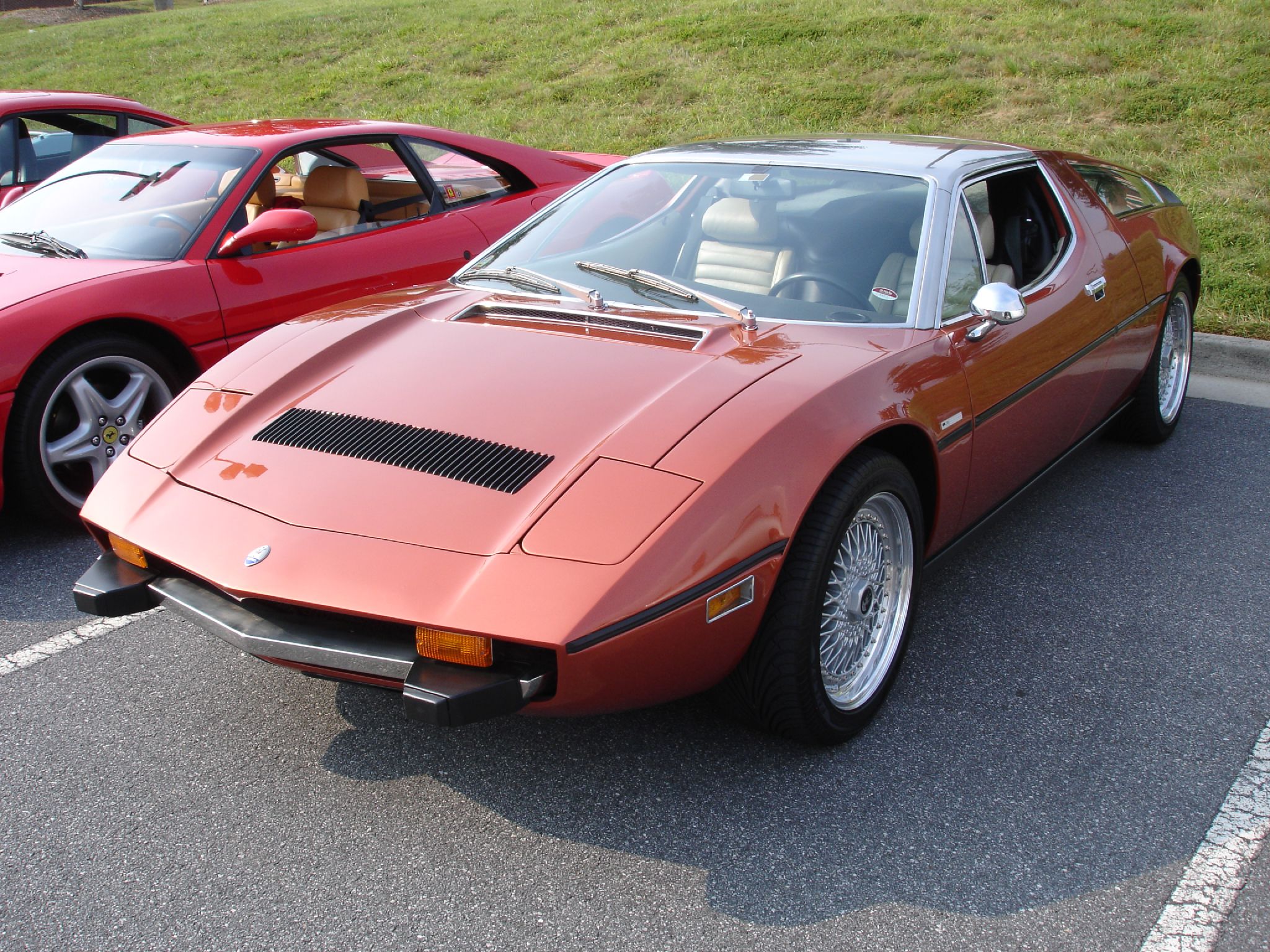
Maserati Bora Cars pics

Maserati Bora
Maserati Bora
Maserati Bora Side
Mazda RX-500 | Maserati Bora
Maserati Bora Side
Maserati Bora
Maserati Bora
Maserati Bora

Ferrari 355 Spider pictures

1998 Ferrari F355

The Ferrari F355 is a sports car built by Ferrari from May 1994 to 1999. It is an evolution of the Ferrari 348 and was replaced by the Ferrari 360. It is a mid-engined, rear wheel drive V8-powered 2-seat coupĂ©. One major difference between the V8 in the 348 and that in the F355, apart from the displacement increase from 3.4 to 3.5 L, is that the F355 features a 5-valve per-cylinder head that is considerably more powerful, producing 380 PS (279 kW; 375 hp). The longitudinal 90° V8 engine was bored 2mm over the 348 to achieve the modest increase in displacement, with a 85mm bore, 77mm stroke and a total displacement of 3495.50 cc, utilizing an 11:1 compression ratio. Ferrari employed the Bosch Motronic M5.2 electronic injection with a single spark plug per cylinder and a dry-sump oil lubrication system.

The frame is a steel monocoque with tubular steel rear sub-frame with front and rear suspensions using independent, unequal-length wishbones, coil springs over gas-filled telescopic shock absorbers and anti-roll bars. Ferrari fitted all road-going F335 models with Pirelli tires, size 225/40ZR 18 in front and 265/40 ZR 18 in the rear.

At launch, two models were available: the coupĂ© Berlinetta, and the targa topped GTS. The Spider (convertible) version was introduced in 1995. In 1997 the Formula One style paddle gear shift electrohydraulic manual transmission was introduced with the Ferrari 355 F1[1] (note the dropping of the F before the 355) adding £6,000 to the dealer asking price.

The nomenclature does not follow the formula from the previous decades, ie. engine capacity + cylinder number (eg. 246 = 2.4 litres + 6 cyl, 308 = 3.0 litres + 8 cyl, and same for the 328, 348, 512 etc). This time, Ferrari used engine capacity plus number of valves per cylinder, as they were proud to boast about this technological advancement, ie 355 = 3.5 litres engine capacity and 5 valves per cylinder. The F355 is more common than other Ferrari models with 11,273 total units produced.


Ferrari 355 Spider
Ferrari F355.
Drive the Ferrari
Ferrari 355
Ferrari 355
1999 Ferrari F355
Ferrari 355
Ferrari 355

Friday, May 7, 2010

MASERATI MERAK


MASERATI MERAK
Maserati Merak
1974 Maserati
Photo Maserati
Photo Maserati